


Customs Clearance in Dubai: Complete Guide to Process, Documents & Avoiding Delays
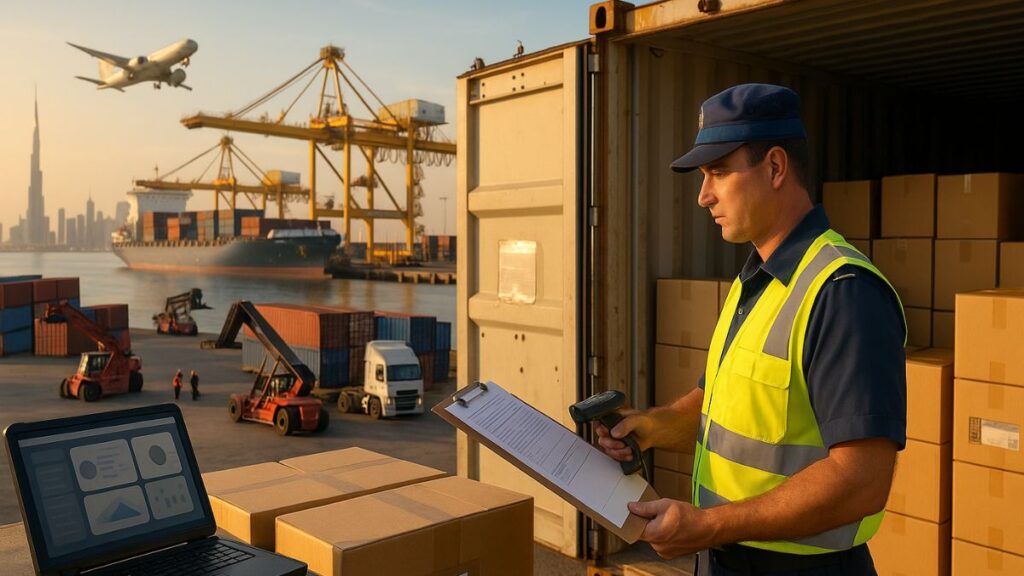
There’s nothing quite like the sinking feeling of getting a call that your shipment is stuck at customs. Your goods are sitting at the port, your client is asking for updates, and you’re scrambling to figure out what went wrong.
Dubai is one of the world’s busiest trade hubs with excellent infrastructure and a strategic location. Customs clearance in Dubai runs through a digital system called Mirsal 2 that’s designed to speed everything up. But here’s the catch—even with all that automation, one small documentation error or incorrect product code can bring your shipment to a complete standstill.
As a trusted logistics company in Dubai, Linex Shipping LLC sees this happen regularly. Sometimes it’s a mismatch between invoice values. Other times it’s an incorrect HS code. Whatever the cause, the result is the same: delays, extra costs, and frustrated customers.
This guide breaks down how customs actually work in Dubai, what documents you need, how to avoid common pitfalls, and why professional help often makes more financial sense than going it alone.
Why Customs Clearance Actually Matters
Customs clearance isn’t just another checkbox. It’s the gatekeeper determining whether your international trade runs smoothly or turns into a nightmare.
Keeps You Legal: Every product entering or leaving Dubai must meet UAE trade and security rules and regulations. Proper clearance ensures full compliance and avoids confiscation or legal issues.
Prevents Supply Chain Breakdown: A customs delay throws off production schedules, pushes back customer deliveries, and creates problems that ripple through your entire operation for weeks.
Helps You Budget: Most items face a standard 5% customs duty. Understanding these costs upfront means you can price accurately and avoid surprises.
Saves You from Penalties: Incorrect HS codes, under-declared values, or missing certificates trigger fines, demurrage fees, and shipment holds that eat directly into profits.
How the Process Works
Dubai has moved almost entirely to digital processing through Mirsal 2. This has made things faster, but accuracy matters more than ever. Here’s how it unfolds:
Step 1: Get Your Customs Client Code. Register with Dubai Customs through the Dubai Trade portal. This code is your identity in the system—without it, you can’t process any shipments.
Step 2: Upload Documents. All paperwork gets submitted electronically. Smart importers do “pre-clearance” before cargo arrives, cutting days off clearance time.
Step 3: Declaration and Duty Assessment. Customs verifies shipment details and classifies goods using HS codes. These determine your duty rate—usually 5% of CIF value, though some products have exemptions.
Step 4: Risk Assessment Automated systems decide if your shipment needs physical inspection. Low-risk shipments clear quickly; high-risk ones get thoroughly examined.
Step 5: Payment and Approval. Pay duties electronically, get your release order. That’s your green light.
Step 6: Cargo Release. Your shipment heads to your warehouse. When everything’s right, many shipments clear within 24-48 hours.
Essential Documents You Need
Documentation accuracy is where most problems happen. Even small discrepancies trigger delays. Here’s what you need:
- Commercial Invoice – Detailed descriptions, quantities, values, and Incoterms
- Packing List – Contents, weights, dimensions (must match invoice perfectly)
- Bill of Lading or Air Waybill – Proof of shipment
- Certificate of Origin – Proves where goods were manufactured
- Import/Export Permits – Required for controlled goods (food, electronics, chemicals)
- Trade License Copy – Your valid UAE business license
- Customs Declaration Form – Submitted through Mirsal 2
- Delivery Order – Authorizes cargo release
- Insurance Certificate – If applicable
- Product-Specific Certificates – Product-Specific Certificates – Health, halal, or phytosanitary certificates when needed. Proper classification plays a major role in customs clearance efficiency, and understanding HS codes and duty calculation helps save both time and cost in UAE imports.
The critical thing? Consistency. Every number and description must be identical across all documents.
Avoiding Delays and Extra Costs
Most customs delays are preventable. Here’s how to avoid them:
Check Everything Twice: Values, quantities, descriptions, HS codes—make sure they match across every document. Inconsistencies automatically flag your shipment.
Get Classification Right: Wrong HS codes mean wrong duty rates or worse—penalties if customs thinks you’re deliberately underpaying.
Pay Immediately: Once duties are calculated, pay right away. Delays mean storage fees piling up.
Stay Current: Dubai Customs updates rules regularly. What worked six months ago might not work today.
Expect Inspections: Random checks happen even with perfect paperwork. Build buffer time into schedules.
Use Digital Tools: Mirsal 2 and Dubai Trade platform exist for a reason—use them to track everything in real-time.
Why Professional Help Makes Sense
You can handle customs yourself, but partnering with professionals like Linex Shipping LLC usually pays for itself.
They Know the System: Customs regulations are complicated. Professionals understand duty structures, exemptions, and classification nuances that occasional shippers don’t.
They Catch Mistakes Early: Brokers review everything before submission, spotting errors that could trigger holds or penalties.
They Save Time and Money: Professional handling prevents expensive demurrage and storage charges that often exceed service costs.
They Have Relationships: Experienced agents know who to contact when questions arise, enabling quicker resolution.
Your Team Focuses on Business: Instead of dealing with bureaucracy, your people can focus on sales, operations, and growth.
This is why successful importers work with trusted freight forwarder companies in UAE like Linex Shipping LLC.
Conclusion
Customs clearance in Dubai is the gateway connecting your business to global markets. Dubai has built one of the world’s most advanced customs systems—Mirsal 2 and supporting infrastructure have made clearance faster and more transparent than ever. But that digitization means accuracy matters more than it used to.
Whether you’re importing raw materials, bringing in finished goods, or exporting products internationally, customs affects your bottom line. Handled well, it becomes nearly invisible. Handled poorly, it becomes a constant source of delays and unexpected costs.
The businesses that succeed in Dubai’s trade environment recognize when to bring in expertise. They understand that while handling customs internally might seem cheaper, the real cost includes hidden expenses: delays, penalties, storage fees, and lost opportunities.
As a leading logistics company in Dubai, Linex Shipping LLC has built its reputation on turning customs clearance from a potential obstacle into a competitive advantage. They handle the complexity, catch errors before they cause delays, ensure compliance, and keep cargo moving at the speed your business requires.
In international trade, time equals money. The difference between 2-day clearance and 2-week clearance can mean the difference between profit and barely breaking even.
Partner with Linex Shipping LLC—your trusted shipping company in Dubai—and move your cargo with confidence, knowing every detail is handled by professionals who understand exactly what Dubai Customs requires and how to deliver it efficiently every single time.
