


FCL Consolidation Explained: Step-by-Step Guide to Full Container Shipping & Cost Efficiency
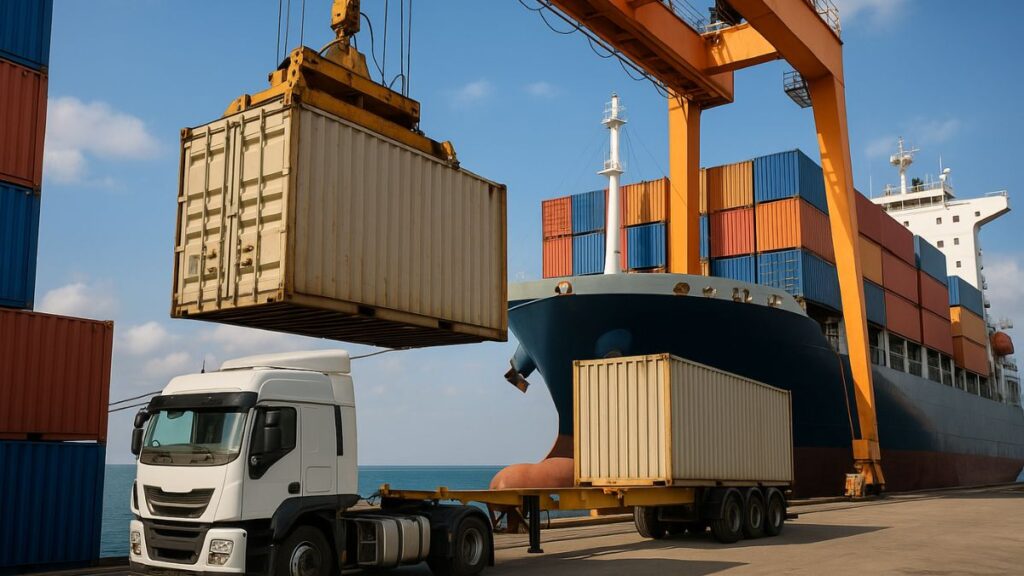
For businesses in Dubai moving larger volumes, heavier cargo, or high-value goods, sharing container space rarely makes commercial or operational sense. FCL (Full Container Load) shipping offers a smarter logistics approach. One shipper occupies the entire container, gaining complete control over packing, handling, transit time, and security—plus significant cost efficiencies at scale.
This blog explains what FCL shipping means in practical terms, how the full container process works step by step, where cost advantages come from, and what Dubai-based exporters and importers should know about documentation, customs, and special cargo like EV components and dangerous goods.
Still deciding between the best shipping methods in Dubai? Understanding FCL consolidation helps pick the most cost-effective and secure shipping method. For a complete comparison guide on choosing the best logistics method, explore our detailed guide on Sea, Air, or LCL Freight options
Why FCL Shipping Works for Dubai Businesses
Dubai occupies one of the world’s strongest logistics positions. Jebel Ali Port, JAFZA, and Al Maktoum International Airport create a shipping ecosystem moving cargo efficiently across Asia, Europe, and Africa.
For medium and large businesses, manufacturers, distributors, and bulk exporters, FCL shipping eliminates shared cargo inefficiencies. Move on your schedule instead of waiting for others. Keep goods sealed from origin to destination instead of exposing them to multiple handling points.
FCL enables businesses to:
- Move large volumes without delays
- Control inventory flow more tightly
- Reduce damage and theft risk
- Improve supply chain predictability
- Optimise freight costs over time
For Dubai exporters and importers handling regular high-volume shipments, FCL forms the foundation of stable, scalable logistics.
How FCL Shipping Works: Step by Step
Here’s how Full Container Load shipping operates from booking to delivery, based on typical FCL exports and imports in Dubai.
Step 1: Booking and Freight Quotation
Start by requesting a quote from a freight forwarder. Share cargo type, total volume, weight, origin, destination, and special handling needs—fragile goods, machinery, EV batteries, temperature-sensitive items, or dangerous goods.
FCL pricing is per container, not per cubic meter. Cost depends on container size—typically 20-foot, 40-foot, or 40-foot high cube. Quotes usually cover ocean freight, terminal handling, port charges, documentation, and local fees. Itemised quotes reveal true landed costs.
Step 2: Documentation Preparation
Before cargo moves, prepare all export or import documentation accurately. Commercial invoice, packing list, certificate of origin if needed, and export permits.
For Dubai shipments, correct HS codes, cargo descriptions, and consignee details matter. Cargo with EV components, batteries, or dangerous goods needs additional documents—MSDS, manufacturer declarations, and regulatory approvals. Wrong paperwork is why most customs delays happen.
Step 3: Container Allocation and Cargo Pickup
After booking confirmation, the shipping line allocates an empty container to your loading location. Either the container arrives at your warehouse for stuffing, or cargo goes to a container yard for supervised loading.
Dubai exports often happen near Jebel Ali. Imports reverse this after customs release. FCL advantage: cargo loads once, seals once—no shared space, no re-handling.
Step 4: Container Stuffing and Sealing
Load goods into the container following weight distribution and safety guidelines. Palletisation, lashing, and protective wrapping match the cargo type.
After loading completes, seal the container with a numbered security seal. From here until destination delivery, the container stays closed. This is FCL’s biggest edge over shared shipping—few touchpoints, maximum security.
Step 5: Ocean Transport and Tracking
The sealed container reaches the port and is loaded onto the vessel per the sailing schedule. The carrier issues a Bill of Lading—both a transport document and shipment proof.
During transit, freight forwarders provide tracking updates for vessel movement and arrival estimates. Without waiting for other consignments, FCL typically moves faster than shared container shipping.
Step 6: Arrival and Container Discharge at Destination
When the vessel reaches the destination port, the container gets discharged and moves to the terminal for customs processing. No deconsolidation stage exists—your container stays intact and proceeds directly to clearance.
This cuts port dwell time and reduces congestion delays.
Step 7: Customs Clearance
Customs brokers file declarations through systems like Mirsal 2 or Dubai Trade for UAE imports. Duties and VAT get paid where applicable, unless exemptions apply.
Single consignee shipments mean faster documentation review and inspections compared to mixed cargo.
Step 8: Final Delivery
After clearance, the container is delivered directly to a warehouse, factory, or distribution centre. De-stuffing happens on-site if needed, giving full control over inventory flow and unloading schedules.
How FCL Shipping Delivers Cost Efficiency
Booking an entire container might seem expensive initially. But measuring cost per unit often makes FCL the most economical option for consistent volume.
FCL eliminates per cubic meter charges. Maximise full container capacity instead. Higher volume means lower cost per unit. Port charges, terminal handling, fuel surcharges, and documentation costs happen once per container—not split across multiple shippers.
Inventory costs drop, too. Full bulk consignments arrive instead of fragmented shipments, supporting smoother production planning and distribution. Carrier rates stay more stable for FCL through long-term shipping line contracts.
Reduced cargo handling means fewer damages, fewer insurance claims, and fewer surprise costs.
Dubai-Specific Considerations for FCL
Working with a freight forwarding company in Dubai who understand Jebel Ali Port operations, JAFZA procedures, and Dubai Customs filing systems prevents unnecessary delays. Local expertise means smoother inspections, faster release, and accurate duty calculations.
Container positioning, port storage limits, demurrage rules, and free-time allowances need active management. Poor coordination erases FCL cost benefits quickly.
Packaging standards matter more at the FCL scale. Wrong load balancing, weak palletisation, or unsecured cargo causes shifting during transit, leading to container damage or rejected insurance claims.
Handling EV Components and Dangerous Goods in FCL
EV Components
Lithium batteries and EV power systems face strict international transport regulations. FCL works well for EV logistics—allows dedicated segregation, proper ventilation, and controlled packing.
Only forwarders with EV logistics expertise should handle these shipments. Wrong classification or documentation leads to port seizures, fines, and vessel rejection.
Dangerous Goods (DG)
Dangerous goods need accurate UN numbers, packing group classification, MSDS, and carrier-specific approval. FCL lets DG cargo remain isolated within the container, preventing mixing with other shippers’ goods and improving safety and compliance.
Not all shipping lines accept EV and DG cargo on all routes, so early planning is essential
FCL vs Air Freight: Decision Factors
FCL works best when shipment volumes are large, delivery timelines are flexible, and cost control is a priority. Dominates bulk shipping for industrial goods, machinery, building materials, furniture, and automotive cargo.
Air freight matters when time is critical, cargo is high-value, or goods are perishable. Much faster, but costs run multiples higher than sea freight. For most commercial supply chains, FCL remains the backbone of predictable, scalable logistics.
Key Questions for Your FCL Shipping Partner
Before finalising FCL shipments, clarify:
- Which container size is most cost-efficient?
- What are the exact free-time limits at origin and destination ports?
- How are demurrage and detention managed?
- What seal and security tracking systems exist?
- Is marine insurance included or optional?
- Can they handle EV components or DG cargo?
- Do they manage customs clearance and duty payments directly?
- What contingency plans exist for vessel delays or port congestion?
Is FCL Right for Your Business?
For businesses shipping regular volume, heavy cargo, or high-value goods, FCL shipping is more than transport—it’s a strategic cost-control tool. Offers maximum security, predictable transit timelines, reduced handling risks, and strong long-term cost benefits.
FCL requires accurate planning, professional documentation, strong packaging standards, and experienced port coordination. When these elements fail, operational risks climb fast.
Best results come from working with experienced freight forwarding companies in uae who understand container management, customs clearance procedures, and regulatory compliance at origin and destination.
With the right partner, FCL lets businesses scale confidently, maintain inventory stability, and control shipping costs without operational chaos.
