


Dangerous Goods Shipping: Classification, Compliance, and UAE-Specific Planning Insights
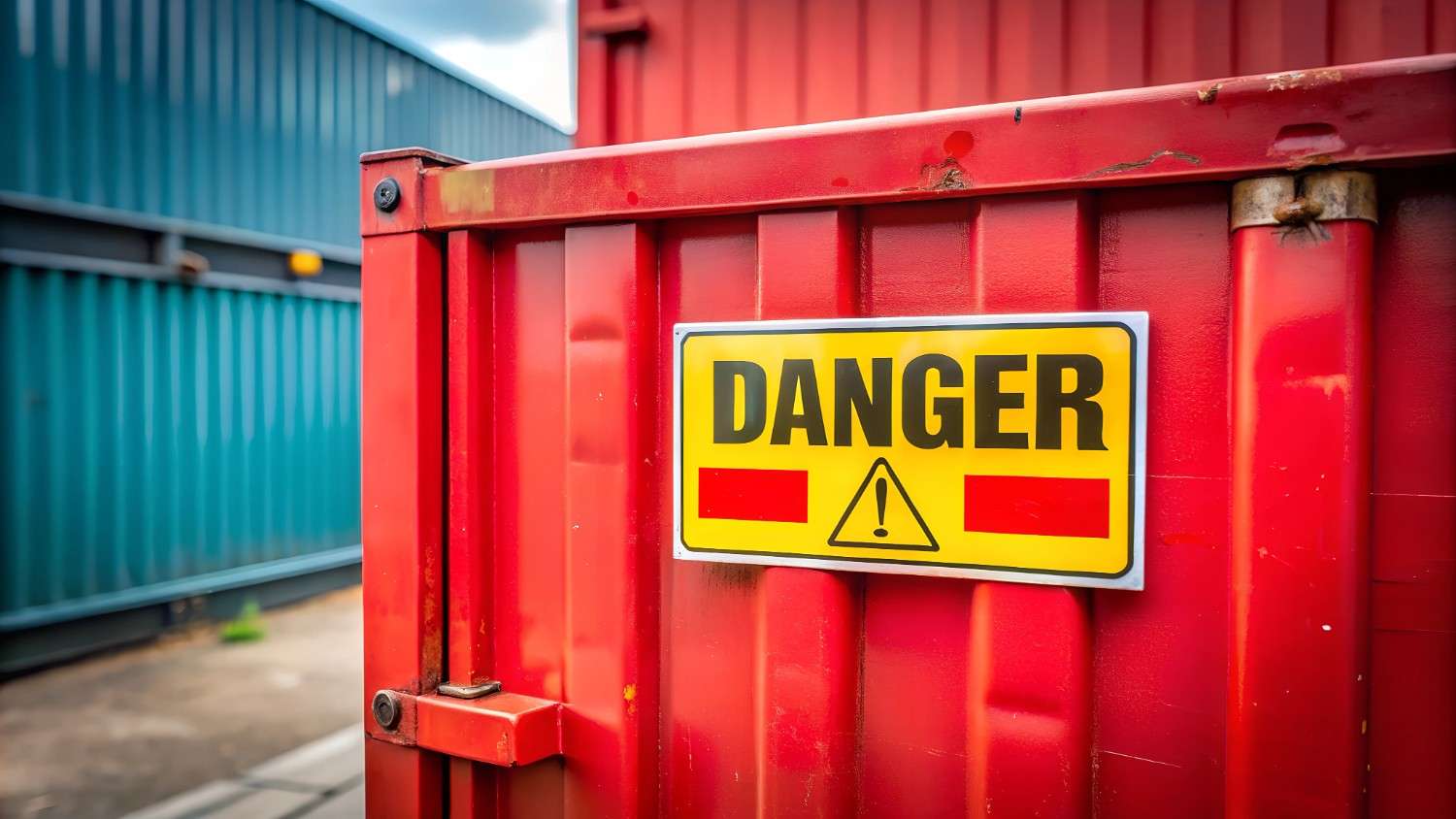
Dangerous goods aren’t some abstract regulatory category—they’re materials that can genuinely hurt people, destroy property, or cause environmental damage during transport. Think about explosives that might go off from normal shipping vibrations. Acids strong enough to burn through standard packaging. Lithium batteries that could catch fire at 35,000 feet. The risks are real enough that the United Nations built an entire global framework for classifying, handling, and moving these materials safely.
For logistics providers working in or through the UAE, understanding dangerous goods goes way beyond ticking compliance boxes. It’s what keeps operations running smoothly without regulatory shutdowns or safety incidents. When cargo shipping in Dubai connects massive trade flows between Asia, Europe, and Africa, getting DG planning wrong doesn’t just slow things down—it can stop operations cold, trigger financial penalties that hurt, or cause actual emergencies.
Breaking Down the Nine Dangerous Goods Classes
The UN system splits dangerous goods into nine main classes. Each one represents different hazards and determines exactly what safety measures transport requires. For logistics companies in Dubai handling complicated international shipments, knowing these distinctions isn’t optional.
Class 1: Explosive Materials that can undergo rapid chemical reactions producing heat, light, sound, or pressure. Fireworks for celebrations, ammunition, even those airbag inflators in cars. Handling mistakes here doesn’t give second chances.
Class 2: Gases Compressed, liquefied, or dissolved gases are split into three groups:
- Flammable gases like propane that light up easily
- Non-flammable, non-toxic gases such as helium for balloons
- Toxic gases like chlorine that are dangerous to breathe
Class 3: Flammable Liquids Liquids that catch fire at fairly low temperatures. Gasoline, paint, alcohol, and industrial solvents—materials where even a small leak can turn dangerous quickly.
Class 4: Flammable Solids Substances that might spontaneously combust or release flammable gases when they get wet. Matches, sodium, metal powders—all need careful handling around moisture and heat.
Class 5: Oxidizing Substances & Organic Peroxides Materials that release oxygen and make fires burn hotter, or compounds that become unstable with heat. Common household bleach, fertilizer with ammonium nitrate, and hydrogen peroxide you use for cleaning—all classified here because they intensify combustion.
Class 6: Toxic & Infectious Substances Split between toxic materials harmful if breathed, swallowed, or touched, and infectious substances carrying pathogens like viruses or bacteria. Medical waste from hospitals and certain industrial chemicals both fall into this category.
Class 7: Radioactive Materials Substances that emit radiation. Uranium for nuclear applications, medical isotopes doctors use for cancer treatment and diagnostic imaging—materials requiring specialized shielding and tracking throughout their journey.
Class 8: Corrosive Substances Chemicals that destroy organic tissue or eat through metals on contact. The acid in car batteries, sulfuric acid from industrial processes, caustic soda—substances that cause severe burns or corrode transport equipment.
Class 9: Miscellaneous Dangerous Goods The catch-all for hazardous materials that don’t fit neatly elsewhere but still create transport risks. Lithium batteries in electronics, dry ice for cooling, magnetized materials that mess with aircraft navigation—all end up here.
How Classification Actually Affects Real Shipping Operations
Getting classification right isn’t some academic exercise. It drives literally every decision that comes after. For freight forwarding in Dubai, misclassification creates immediate, expensive problems. Shipments sit stuck at customs. Penalties get assessed. Cargo gets flat-out rejected at ports and airports before ever reaching its destination.
Packaging Gets Complicated in a Hurry
Packing Groups Add Layers of Requirements Beyond the main class, dangerous goods get sorted into Packing Groups based on how risky they actually are:
- Group I means high danger and needs the strongest packaging available
- Group II indicates medium danger with moderate protection standards
- Group III covers lower danger, allowing somewhat less restrictive containers
These groups aren’t suggestions—they legally determine what strength and testing standards packaging must meet. A Group I substance requires containers that can take substantially more abuse than Group III materials can safely use.
Containment Standards Can’t Be Faked. Shippers have to use UN-certified Performance-Oriented Packaging specifically engineered to survive shocks, vibration, pressure changes, and temperature swings. This matters especially for DG Cargo Solutions moving through busy trade corridors where cargo gets handled roughly and conditions change constantly.
Stowage Becomes a Three-Dimensional Puzzle
Some Materials Absolutely Cannot Be Near Each Other: Incompatible classes need physical separation—no exceptions. Put oxidizers next to flammable liquids, and you’re creating a potential disaster. Segregation tables spell out exact separation distances depending on what’s loaded together.
Where Things Go Depends on How They’re Moving: Maritime shipping has rules about keeping certain DG away from engine rooms or crew sleeping quarters. Air transport labels goods as “accessible” or “inaccessible” based on whether flight crew can reach them during emergencies—this directly affects where in the plane they can be loaded and how much can go.
Picking the Right Transport Mode Isn’t Always Obvious
Air Speed Versus Sea Capacity: Air freight gets cargo there faster, which matters for time-sensitive shipments. But it comes with way tighter quantity limits and flat bans on certain DG. Some explosives and toxic gases simply cannot fly on commercial aircraft, period. This makes mode selection really important for cargo shipping in Dubai, where combining sea and air routes helps reach far-flung markets without losing too much time.
Private Carriers Play By Stricter Rules Companies like FedEx or UPS maintain their own dangerous goods policies that go beyond what regulations require. They might restrict compatibility groups more than the law demands or refuse certain substances completely based on their own risk calculations and what their insurance covers.
Documentation Either Opens Doors or Slams Them Shut
Every DG shipment needs specific paperwork that has to be completely accurate:
- A Dangerous Goods Declaration (DGD) spelling out exactly what’s inside
- Current Safety Data Sheets (SDS) that explain hazards and proper handling
There’s more though. Everyone touching the shipment—people packing boxes, warehouse workers handling pallets, staff preparing documents, drivers operating vehicles—all must complete certified dangerous goods training every two to three years. This training requirement separates real logistics companies in Dubai equipped to handle DG goods shipping properly from general freight operators who aren’t set up for it.
Recent UAE Regulatory Changes That Actually Matter
The UAE has rolled out regulatory shifts that fundamentally changed how dangerous goods planning works. Heavy focus on digitization, security tracking, and getting information submitted way earlier than before.
NAIC Now Demands Data Before Cargo Even Gets Close
The National Advanced Information Centre requires real-time cargo data submission well ahead of physical arrival. For dangerous goods specifically, shippers must provide accurate six-digit HS codes and detailed product descriptions with a serious lead time.
Here’s where enforcement gets tough: incomplete or wrong submissions can trigger “no-load” decisions before cargo even reaches UAE borders. The shipment gets blocked before it physically shows up. This makes advance planning with accurate DG goods shipping in Dubai absolutely critical, not something to figure out later.
Vague descriptions or approximate classifications don’t cut it anymore. The system demands precision from the very beginning of planning, not when the cargo is already sitting at the port waiting to clear.
Final Thoughts
Dangerous goods shipping isn’t simply about moving hazardous materials from point A to point B. It’s about systematically managing risk through knowledge, careful planning, and rigorous compliance at every step. From accurate UN classification and proper packaging selection to understanding mode-specific restrictions and preparing flawless documentation, everything in the DG supply chain connects. A single classification error or compliance gap can cascade into delays, financial penalties, safety incidents, or outright shipment rejection.
For logistics operations in the UAE, this carries extra weight. Stringent regulatory oversight, mandatory digital transparency through the NAIC, and the UAE’s position as a major global trade hub all mean dangerous goods planning must be precise, proactive, and thoroughly documented. Businesses involved in freight forwarding and cargo shipping increasingly turn to experienced logistics partners who understand these complexities rather than trying to manage DG with general cargo procedures.
As global trade grows more intricate and regulations keep evolving—usually getting stricter, not looser—working with specialists who grasp both international DG frameworks and UAE-specific requirements has become essential. In dangerous goods logistics, informed planning isn’t just industry best practice. It’s the foundation that makes safe, compliant, and sustainable operations possible.
