


Sea, Air, or FCL Freight from Dubai: Choosing the Right Shipping Method for Your Cargo
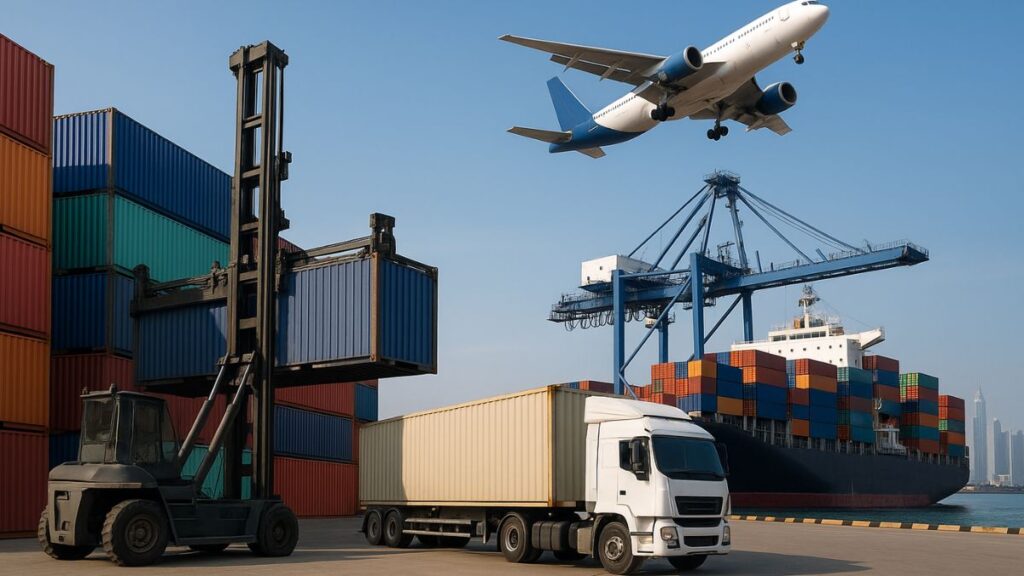
Picking the right shipping method from Dubai goes way beyond just moving boxes from point A to point B. It’s a strategic call that affects delivery timelines, costs, customer satisfaction, and how well the entire supply chain performs. Dubai offers seamless access to air freight, sea freight, and Full Container Load (FCL) shipping—each one serving different business needs.
For importers, exporters, manufacturers, and e-commerce businesses, understanding how these shipping methods actually work—and when to use each one—helps avoid delays, blown budgets, and operational headaches while building a stronger long-term supply chain.
Why Dubai Dominates Global Shipping
Dubai’s spot as a global logistics leader comes from its geographic sweet spot between Asia, Europe, and Africa. This location provides direct access to billions of consumers across multiple continents.
On the sea side, Jebel Ali Port ranks as one of the world’s largest container ports, moving massive cargo volumes with impressive efficiency. For air cargo, Dubai International Airport and Al Maktoum International Airport (DWC) together create one of the most capable air logistics networks anywhere.
What really sets Dubai apart is its multimodal connectivity. Cargo can shift smoothly between sea and air through bonded corridors without getting stuck in repeated customs procedures. Free zones like JAFZA and Dubai South add even more speed, regulatory efficiency, and cargo flexibility—making freight forwarding in Dubai important in global logistics.
Sea Freight and FCL Shipping from Dubai
Sea freight remains the workhorse of global trade. Low cost per unit and the ability to handle massive cargo volumes with reliability make it the go-to choice for heavy, oversized, or non-urgent international shipments.
Within sea freight, FCL (Full Container Load) offers maximum security and operational efficiency. With FCL shipping, a single shipper gets the entire container. It’s sealed at origin and opened only at destination. This dramatically cuts down handling risks, contamination, theft, and damage.
FCL works best for:
- Heavy machinery
- Construction and industrial materials
- Automotive shipments
- Furniture and large commercial loads
Sea freight transit times usually run 15 to 45 days, but FCL remains the most cost-efficient option for businesses prioritising budget control, supply chain stability, and moving bulk cargo.
When Air Freight Makes the Most Sense
Air freight is hands-down the fastest way to move cargo internationally. Transit times typically fall between 1 to 7 days, depending on destination and routing. It’s the preferred choice when time is critical, and delays mean financial losses or market disruptions.
Air freight works best for:
- High-value electronics
- Medical equipment and pharmaceuticals
- Perishable goods
- Emergency and time-sensitive commercial shipments
The main advantages come down to speed, security, and schedule predictability. The downside? Higher costs and strict weight and size limitations make it impractical for bulky or heavy cargo. Despite premium pricing, businesses lean on air freight when delivery time can’t be negotiated.
Air Freight vs FCL Sea Freight: The Real Differences
The core difference between air and FCL sea freight boils down to balancing speed against cost efficiency.
Speed: Air freight delivers within days. FCL sea freight moves more slowly but at a predictable pace.
Cost: Air freight costs significantly more than sea freight. FCL offers stable, scalable pricing for bulk shipments.
Capacity: Aircraft face strict limits. FCL containers accommodate large industrial cargo volumes without breaking a sweat.
Security: Both offer strong security, though air freight benefits from limited access and airport controls.
Environmental impact: Sea freight carries a much lower carbon footprint per unit compared to air transport.
In practical terms, air freight wins on urgency. FCL sea freight dominates in cost efficiency and volume handling.
Sea-Air Hybrid Shipping: The Middle Ground
Dubai also enables a highly effective sea-air hybrid shipping solution that combines the cost efficiency of sea freight in Dubai with the speed of air transport. Cargo arrives at Jebel Ali Port by sea, then transfers directly to Al Maktoum International Airport for onward air shipment.
This approach can cut transit time by up to 40% compared to full sea freight while lowering costs by up to 60% compared to full air freight. It serves businesses needing faster deliveries without absorbing the full cost of air freight.
How to Pick the Right Shipping Method
Choosing between sea, air, or FCL freight depends on several practical factors:
Urgency: Time-critical cargo needs air freight.
Cargo type: Heavy or industrial goods fit FCL sea freight better.
Budget: Sea freight supports cost stability. Air requires pricing flexibility.
Volume: Large shipments perform best under FCL.
Risk sensitivity: High-value and fragile cargo benefit from air freight security.
Customs compliance: Proper documentation is essential to avoid penalties and delays.
Working with an experienced logistics and customs partner dramatically reduces operational risk and ensures compliance with UAE regulations.
Container Types and Cargo Handling Options
Shipping from Dubai supports a wide range of container and cargo configurations:
- 20′ Standard Containers
- 40′ High Cube Containers
- 40′ Reefer (Refrigerated) Containers
- OOG 40′ Flat Rack Containers
- 40′ Open Top Containers
- SOC and ISO Tank Containers
- DG (Dangerous Goods) and Non-DG Cargo Handling
These container options let businesses move everything from temperature-sensitive cargo to oversized and hazardous shipments safely.
Global Reach and Trade Destinations
From Dubai, shipping networks connect directly to major global trade corridors:
- West Africa
- East Africa
- Europe
- North America
- Latin America
- Middle East
- Asia & Far East
- Oceania
This reach enables businesses to run efficient global supply chains across manufacturing, construction, retail, energy, automotive, and industrial sectors.
The Role of Freight Forwarders
Even after picking the right shipping mode, successful cargo movement depends on execution. Freight forwarding companies in uae coordinate carrier and routing selection, documentation and customs procedures, container allocation and port scheduling, airway bill preparation, cargo insurance and tracking, and regulatory compliance.
Companies like Linex Shipping LLC operate within this ecosystem by managing containerised, air, and project cargo movements across international routes while ensuring proper documentation, container handling, and regulatory coordination.
Conclusion
Choosing between sea freight, air freight, or FCL shipping from Dubai isn’t about finding the “best” method—it’s about finding the right method for the cargo type, business timeline, and financial planning.
Air freight delivers unmatched speed and reliability for urgent cargo. FCL sea freight offers superior cost efficiency and volume handling for bulk shipments. Sea-air hybrid logistics provides a balanced solution between speed and cost.
With Dubai’s advanced infrastructure, deep-sea ports, world-class airports, and integrated logistics corridors, businesses gain access to all three shipping methods at global standards. When supported by capable freight forwarding operations, international cargo movement becomes not only faster and safer, but also strategically optimised for long-term business growth.
